How to Choose a Beef Dry Aging Cabinet for Your Restaurant
Placement, display goal, product mix and service rhythm — the four factors that decide which dry-aging cabinet size fits your restaurant, matched to the VANTICO DM range.
The right dry-aging cabinet is not the biggest one — it is the one that matches how your restaurant actually works. Four factors decide it: where the cabinet will stand, whether display is part of the sale, what you plan to age, and how your kitchen serves it day to day. Work through the four, and the size chooses itself.
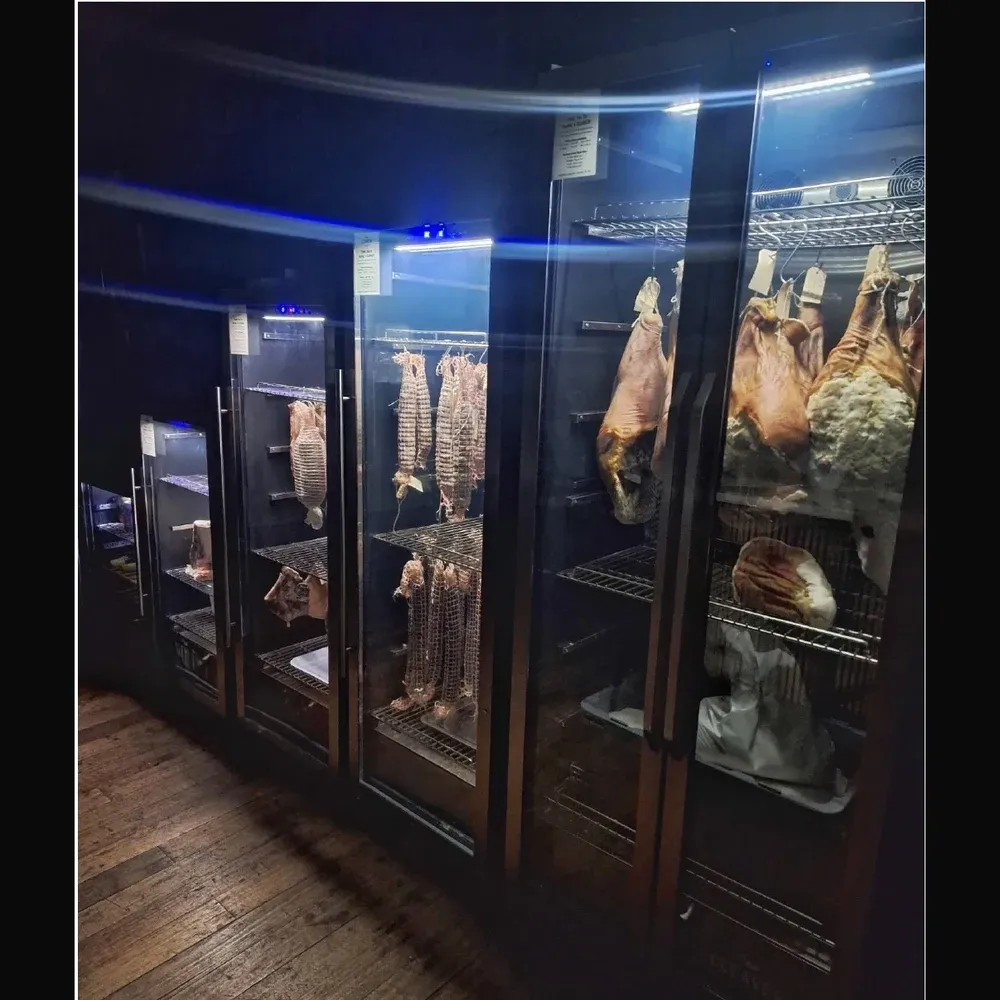
- Start with placement A dry-aging cabinet can work back of house, but the range was designed to earn its place in front of guests. Glass doors and internal lighting show the cabinet interior in open kitchens, butcher shop fronts and restaurant bar areas. If the cabinet will stand where customers see it, display quality matters as much as capacity. Compact and medium cabinets fit bars, display corners and front-of-house zones without taking over the room.
- Decide the display goal Dry aging is slow, skilled work — a visible cabinet turns that time and craft into product value. Customers who can see primal cuts hanging and aging understand what they are paying for. Taller cabinets create a stronger viewing surface and make meat layers easy to read from outside; a double-door model reads like a display wall and puts the aging process directly on the customer path.
- Match the product mix Plan the interior around what you will actually age. Hanging rails suit primal cuts and hams; shelves suit sausages and portioned steaks. Most restaurants run both, so look for a cabinet that combines hanging and shelf storage, with lower zones and a bottom water pan that help organize parallel aging batches at different stages.
- Think in batches and service rhythm Aging programs run in cycles: new cuts go in while finished ones come out for service. Hanging rails, shelves and lower zones help you keep batches separate and readable, so the daily rhythm — what is ready, what needs more time — is visible at a glance instead of tracked on paper.
Matching the VANTICO DM range
- VT-154DM (compact): bars, private kitchens and small restaurants starting a signature aging program or a pilot.
- VT-240DM (medium single door): daily aging display for restaurants.
- VT-380DM (tall single door): steakhouses and butcher shops that want a stronger viewing surface.
- VT-450DM (large single door): whole cuts plus portions, for active aging programs and premium meat retail.
- VT-760DM (double door): a dry-aging display wall for large butcher shops, hotels and flagship restaurants. You can browse the full range on the Beef Dry Aging Cabinets page.
Get sizing help before you order
Every kitchen's mix of cuts, covers and space is different. Send us your menu plans and floor space on WhatsApp +86 188 0259 7986 or by email at annajie@gdvantico.com, and we will recommend a size and send the full technical specification sheet with a private quotation. VANTICO manufactures the DM range in Foshan, China, with OEM and ODM options for distributors and hospitality groups.